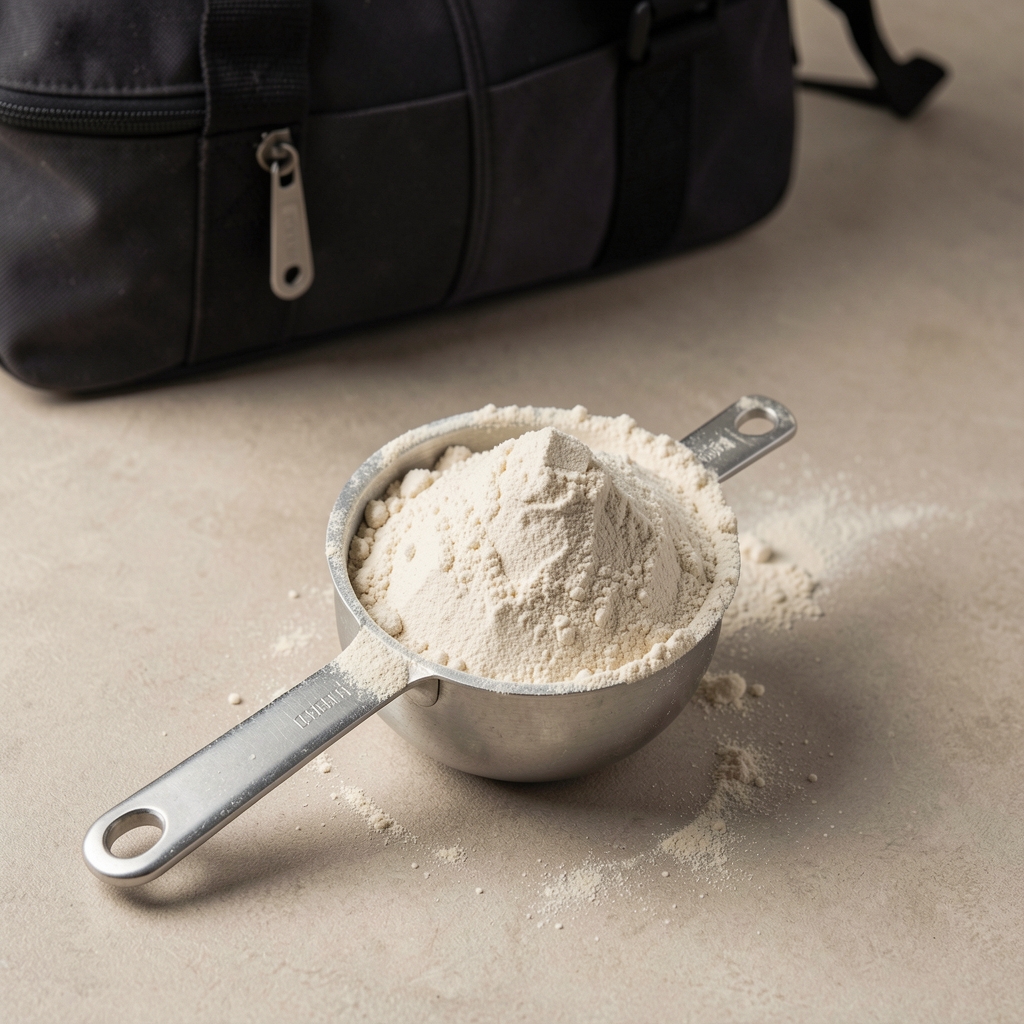
Of all the supplements represented in men's gym nutrition conversations in Indonesia, creatine holds a particular status. It is simultaneously the most cited and the most misrepresented — praised through informal networks for one set of properties, quietly documented in nutritional research for a different and more nuanced set. This editorial review draws on published nutritional literature to record what creatine and physical output actually share, and where that relationship is more conditional than its popular reputation suggests.
Creatine in the Indonesian Gym Nutrition Landscape
Jakarta's gym culture has undergone a significant shift in the past decade. What was once a niche pursuit has become a mainstream daily practice for a substantial portion of the city's working professional population. With that shift has come an expanded and increasingly sophisticated supplement market — and within that market, creatine occupies a reliably prominent position.
Walk through the supplement aisles of any large fitness retailer in South Jakarta or Sudirman corridor, and creatine monohydrate will be among the highest-traffic products. It is discussed in gym communities with a familiarity that suggests it is widely adopted. The supplement review for men landscape — informal, peer-driven, and highly active across Indonesian fitness communities — regards creatine as essentially settled: a foundational gym nutrition supplement with a clear role in physical output.
The published research literature largely supports this orientation, but with a precision that the informal conversation frequently loses in translation. This editorial review is intended to recover that precision — not to diminish creatine's documented relevance to physical output, but to record what the research actually says and what it leaves open.
What the Research Literature Documents
Creatine monohydrate is among the most extensively studied supplements in the published nutritional and sports science literature. The volume of peer-reviewed research examining its relationship to physical performance is considerable, spanning several decades and multiple independent research groups. This is not a supplement operating on limited evidence — it is one of the better-documented supplement categories available to men engaged in active lifestyles and gym routines.
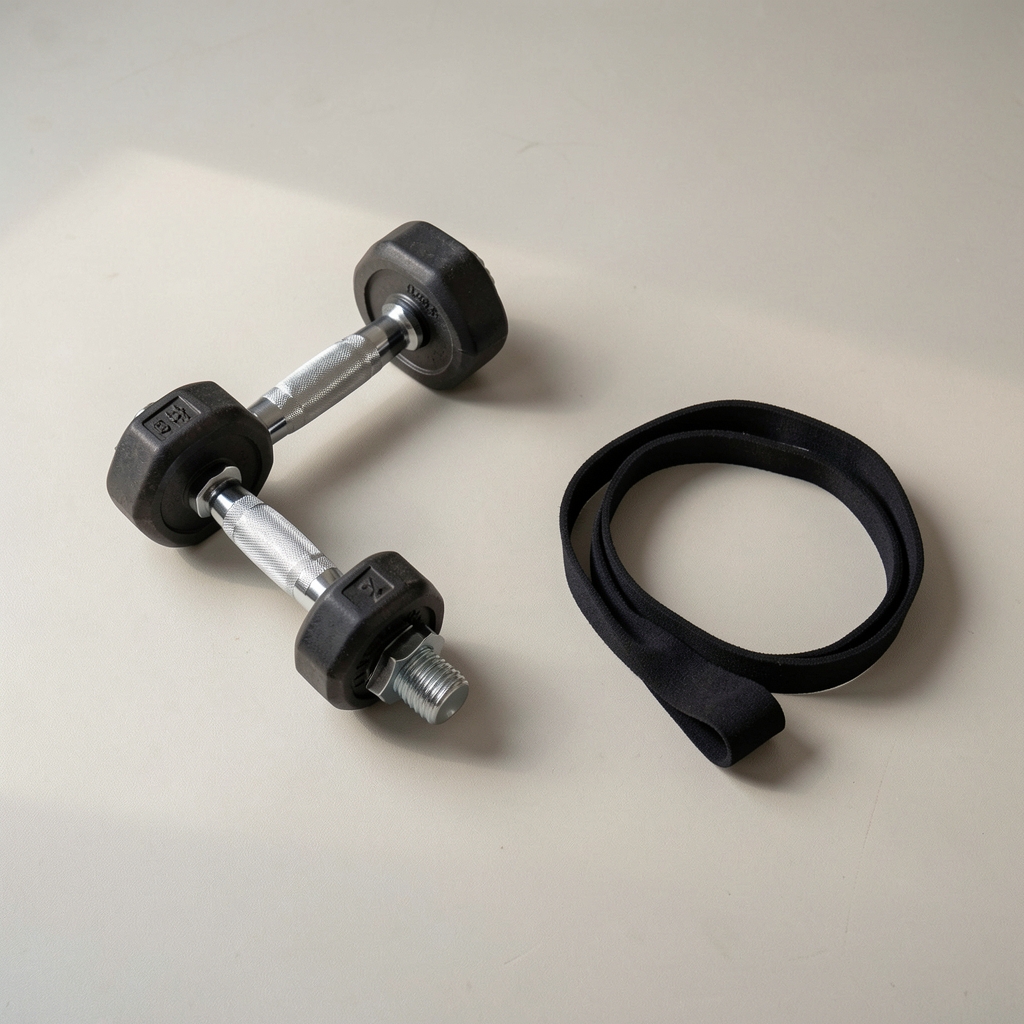
The published research consistently documents creatine as supporting physical output over time in resistance training routines. The mechanism involves creatine's role in the body's phosphocreatine energy system — a system that provides rapid energy resynthesis during short, high-intensity efforts. Resistance training, which involves repeated bouts of this type of effort, is the primary context in which the research literature has examined creatine's contribution to output.
The research on creatine and endurance-based physical activity is less consistent, and this distinction matters for the broader active men's supplement conversation. Endurance activities — longer-duration, lower-intensity efforts — rely on different energy systems, and the published research does not extend creatine's documented contribution to output into that domain with the same degree of consistency it does for resistance training contexts.
Content published by Oravenu Journal is selected based on published nutritional research and reviewed for editorial accuracy by a second editor before publication. The distinction between resistance training and endurance contexts is an important one for men building a daily supplement stack with creatine — what the literature documents applies most clearly to the former.
"Creatine's relationship to physical output is documented with unusual consistency in the nutritional research literature — a consistency that reflects decades of independent study rather than commercial advocacy."
The Loading Phase Question
One of the most frequently debated aspects of creatine supplementation in informal gym nutrition communities is the loading phase — a practice involving higher initial daily intake for a short period, followed by a lower maintenance intake. The published research literature has examined this approach extensively.
The research findings on loading are nuanced in ways that informal community conversations rarely capture. The loading approach does accelerate the rate at which muscle creatine stores reach saturation levels compared to a consistent lower daily intake. However, the research also documents that both approaches ultimately arrive at the same endpoint — saturated stores — when the lower daily intake is maintained over a longer period, typically three to four weeks.
For men following consistent gym nutrition routines rather than time-pressured supplementation strategies, the research suggests that the loading phase is a matter of timing preference rather than a fundamental requirement. The editorial observation from Jakarta's gym communities is that the loading approach is widely practised — driven more by supplement retail convention than by individual engagement with the research literature.
Neither approach should be adopted without some degree of personal due diligence. We recommend speaking with a qualified wellness or nutrition professional before introducing any new habit or routine to daily life, particularly where specific dietary requirements are a factor.
Creatine in the Men's Daily Supplement Stack
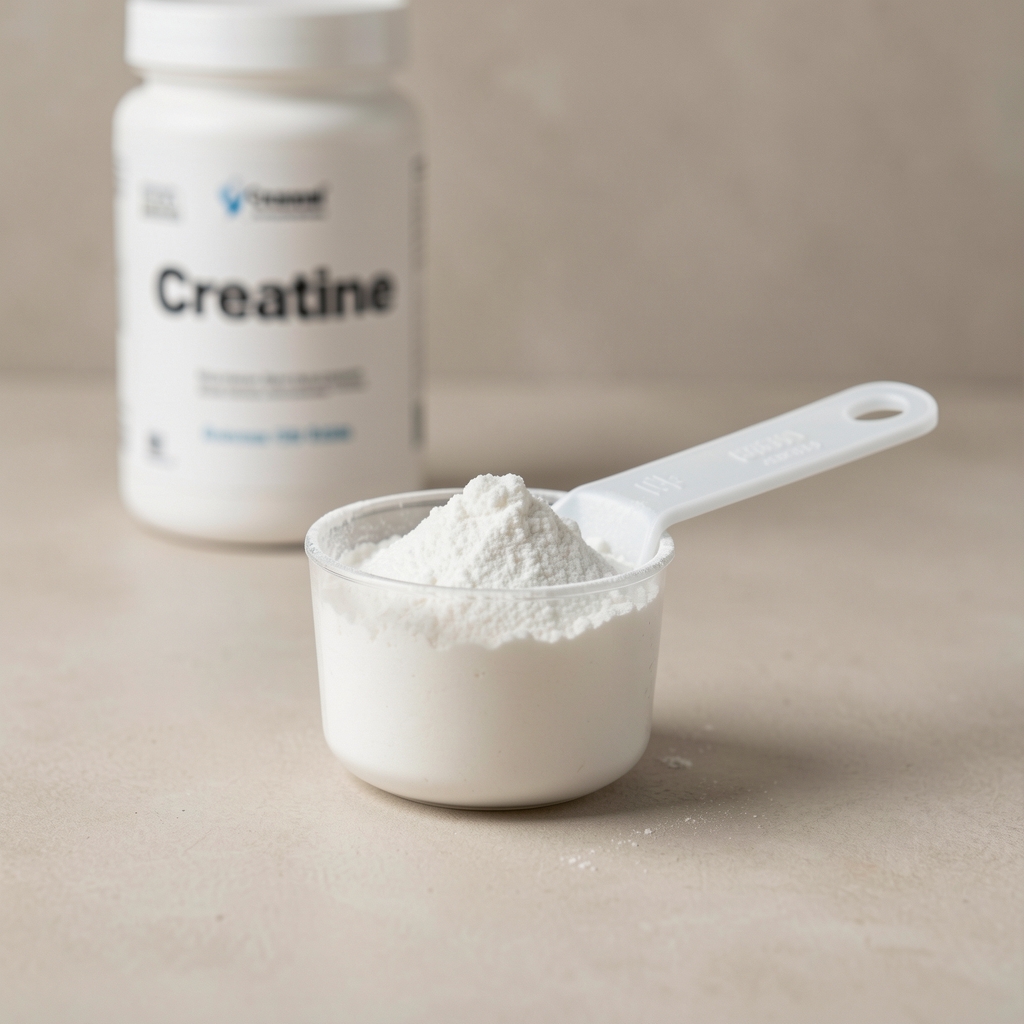
For men building a daily supplement stack around gym nutrition, creatine typically sits alongside protein and a small number of other nutrient-focused supplements. The question of sequencing — when to take creatine relative to the training session, and relative to other supplements — is addressed in the published research with somewhat variable conclusions.
The pre- versus post-training timing debate is not settled with the same confidence that the basic relationship between creatine and physical output is. A number of independent research groups have examined timing, with findings suggesting a possible marginal advantage to post-training intake in some resistance training contexts, but the effect size is small enough that consistency of daily intake is a more practically significant factor than precise timing.
What the research does address more clearly is the co-ingestion of creatine with carbohydrate and protein — a combination that the literature suggests may support creatine retention in muscle tissue. For men already taking protein as part of their daily supplement stack, this is a combination that emerges naturally from typical stack configurations rather than requiring a separate protocol.
The editorial observation from Oravenu Journal's review of creatine in men's supplement stacking habits is that the supplement is well-supported by published research in its core claimed domain — resistance training physical output. The areas of limitation and nuance are worth knowing, but they do not undermine the basic documented role. This is a supplement that rewards genuine engagement with the research literature rather than reliance on informal community wisdom alone.
Protein and Daily Performance: The Broader Context
Creatine rarely operates in isolation in men's gym nutrition routines. For the majority of active men in Jakarta who include creatine in their daily supplement stack, it sits alongside protein — whether from whole food sources, protein powder, or a combination of both. This co-occurrence is worth examining editorially.
The published nutritional research regards protein and daily performance as a foundational relationship. Protein intake supports daily protein targets alongside whole foods — and for men engaging in regular resistance training, those targets are generally higher than for sedentary individuals. The research literature is consistent on this point across multiple independent studies spanning different populations and training contexts.
What the research is less prescriptive about is the precise source of that protein. The supplement-versus-whole-food debate in popular gym nutrition content is somewhat overstated in the editorial view of this publication. The research literature records the importance of adequate protein intake to support physical output and recovery rhythm; it does not record a consistent superiority of supplemental protein over whole food protein at matched intake levels.
For men building practical daily supplement stacks in Indonesian urban contexts — where whole food protein sources are readily available and dietary patterns tend toward adequate protein from cultural staples — the supplement question is more often one of convenience and consistency than fundamental nutritional necessity. Creatine, by contrast, is not readily sourced from common Indonesian dietary patterns in the quantities the research literature examines, making its supplemental form more specifically relevant.
Research Observations from This Review
- 01Creatine's documented relationship to physical output is specific to resistance training contexts — the research does not extend this with equal consistency to endurance activities.
- 02The loading phase accelerates saturation but does not change the eventual outcome — consistent lower daily intake reaches the same point over three to four weeks.
- 03Timing (pre vs. post training) is less significant in the research than consistency of daily intake overall.
- 04Creatine is among the most extensively published supplement categories available for men's gym nutrition review — engagement with the primary research literature is accessible and worthwhile.